

Good News! JOINN Medical Testing Earns CAP Accreditation for Immunohistochemistry Testing
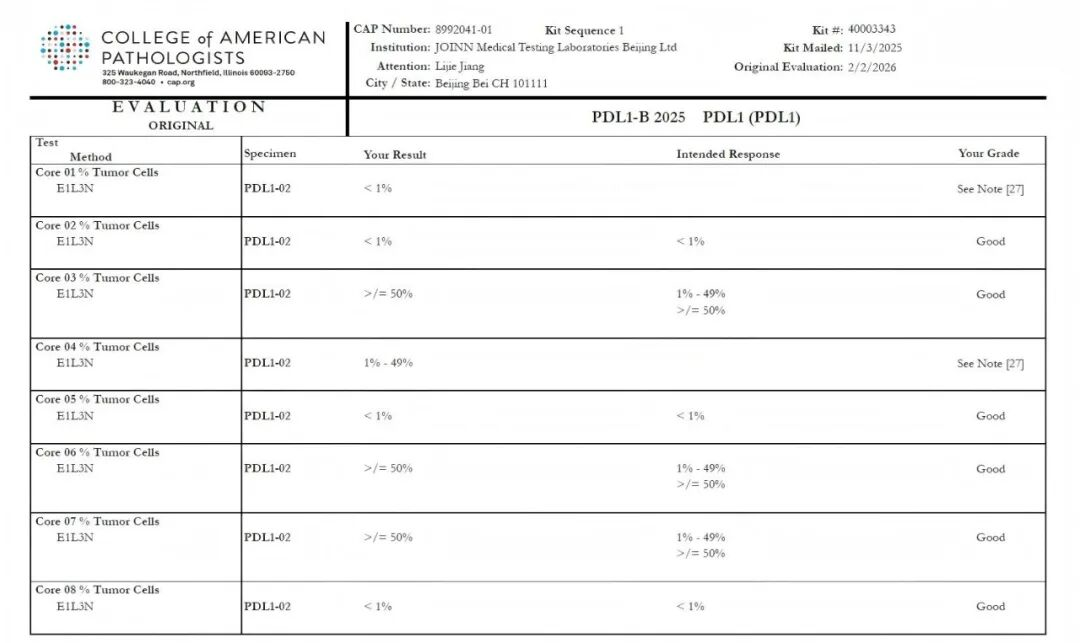
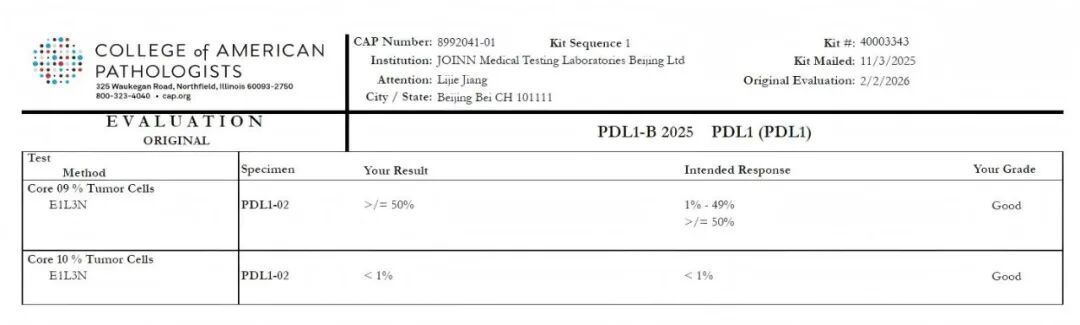
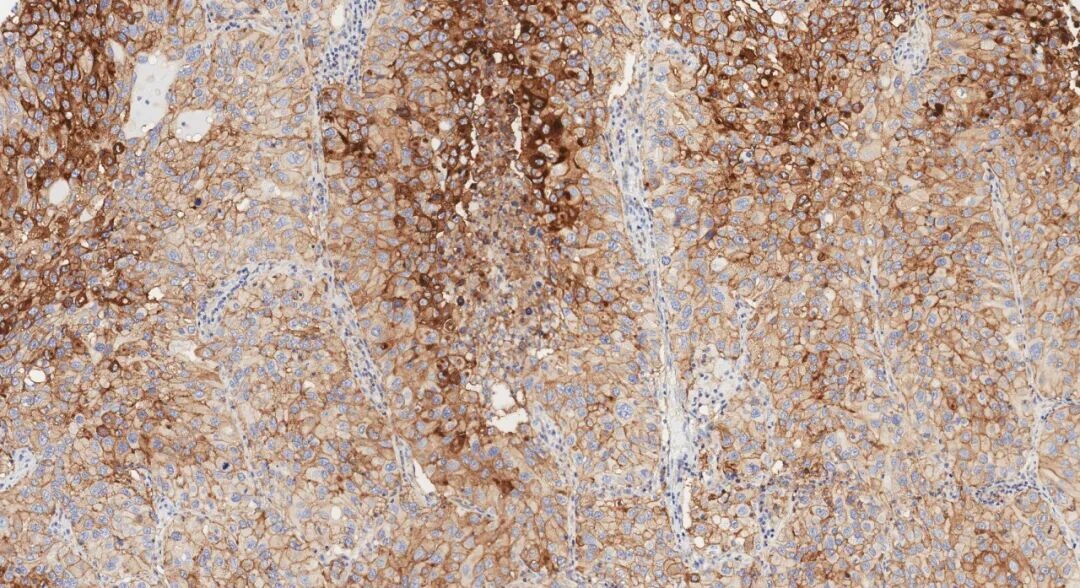
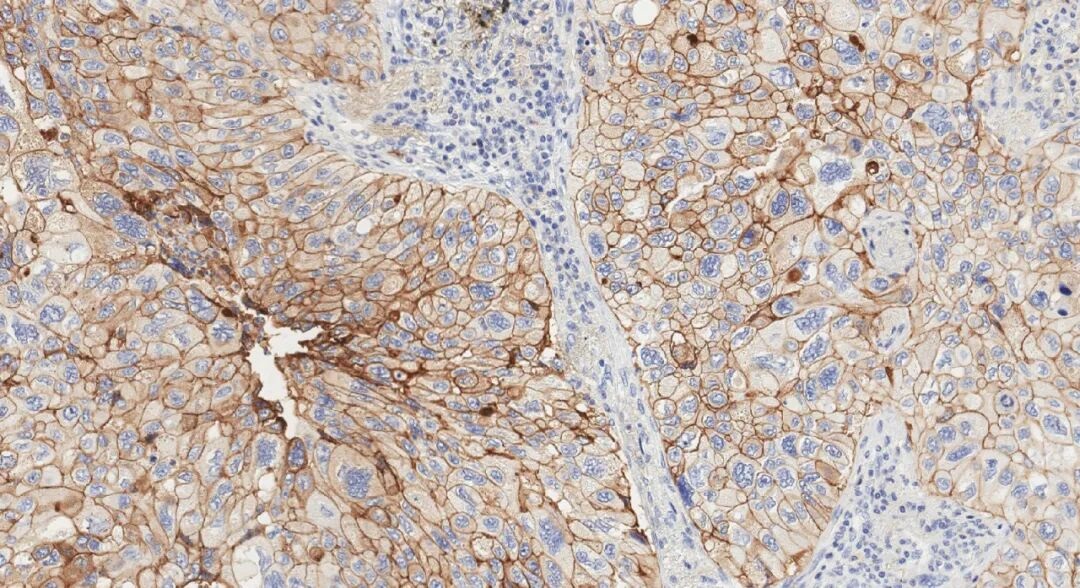
On February 2, 2026, JOINN Medical Testing received satisfactory results from the CAP (College of American Pathologists) proficiency testing for PD-L1 immunohistochemistry, demonstrating that the immunohistochemistry testing quality of JOINN Medical Testing has reached internationally advanced standards. This proficiency testing required PD‑L1 staining on tissue sections, including one 10-core tissue microarray (TMA) slide and one slide for H&E staining, with reporting of Tumor Proportion Score (TPS). The staining results passed the quality assessment by the College of American Pathologists, and all results from the 10-core TMA slide sample met international criteria. CAP accreditation is one of the global gold standards for medical laboratory quality. This achievement confirms that JOINN Medical Testing’s immunohistochemistry testing capability is at an internationally advanced level.
Proficiency Testing Results

Selected Sample Staining Images
Core Advantages of Inhalation Evaluation Platform (Industry-leading Strengths)
1. Precise Guidance Prior to Trial Initiation
Before trial start-up, immunohistochemistry serves as a critical tool for eligible subject screening and trial design optimization.
Target population identification: By detecting drug targets (e.g., HER2, PD-L1, EGFR) in tissue samples, patients most likely to benefit from the investigational product can be accurately screened to ensure a well-defined study population.
Enhanced trial design: Immunohistochemistry findings help identify prognostic biomarkers such as Ki-67, supporting patient stratification and adaptive clinical trial design to improve trial efficiency and success rates.
2. Dynamic Monitoring During the Trial
While the trial is ongoing, immunohistochemistry acts as an efficacy monitor and mechanism explorer.
Efficacy and mechanism evaluation: By comparing changes in target protein expression (e.g., PD-L1 expression) in tissue samples collected before and after treatment, analysts can directly assess whether the drug acts on its intended target and further investigate its mechanism of action.
Tumor microenvironment profiling: Technologies such as multiplex immunohistochemistry (mIHC) enable simultaneous analysis of multiple cell populations within the tumor microenvironment (tumor cells, T cells, macrophages, etc.), facilitating understanding of drug effects on the immune landscape.
3. Evidentiary Support After Trial Completion
Upon trial completion, immunohistochemistry results deliver core evidence for data interpretation and regulatory submission.
Key supporting evidence: Visual outputs from immunohistochemistry (e.g., localization and staining intensity of PD-L1 on tumor cells) constitute objective evidence to demonstrate drug efficacy to regulatory authorities. Agencies including the FDA have explicitly required immunohistochemistry for companion diagnostics for certain approved drugs such as Kadcyla.
Companion diagnostic development support: Immunohistochemistry is a core technology for developing companion diagnostic kits paired with therapeutics, enabling personalized precision medicine after product launch.