

Accreditation Milestone! JOINN Medical Testing Passes NIFDC Proficiency Testing in Five Major Testing Fields
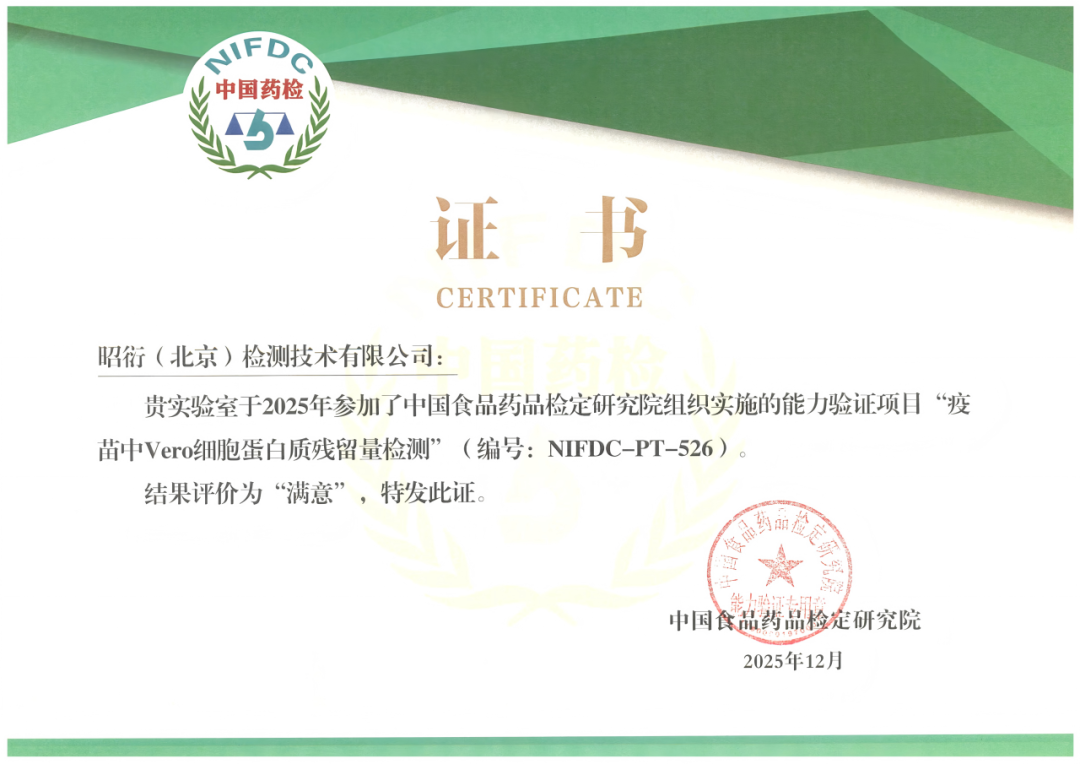
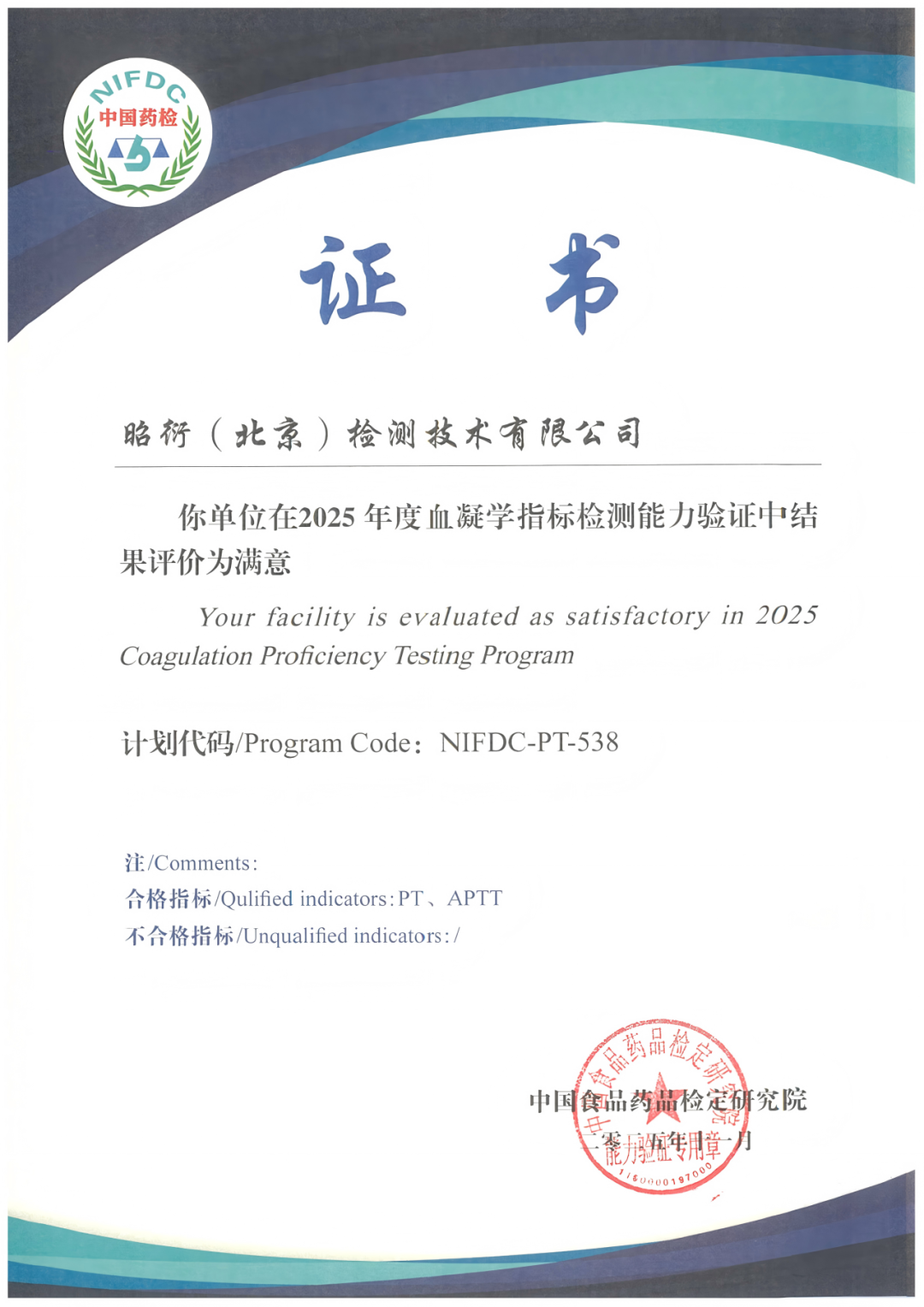
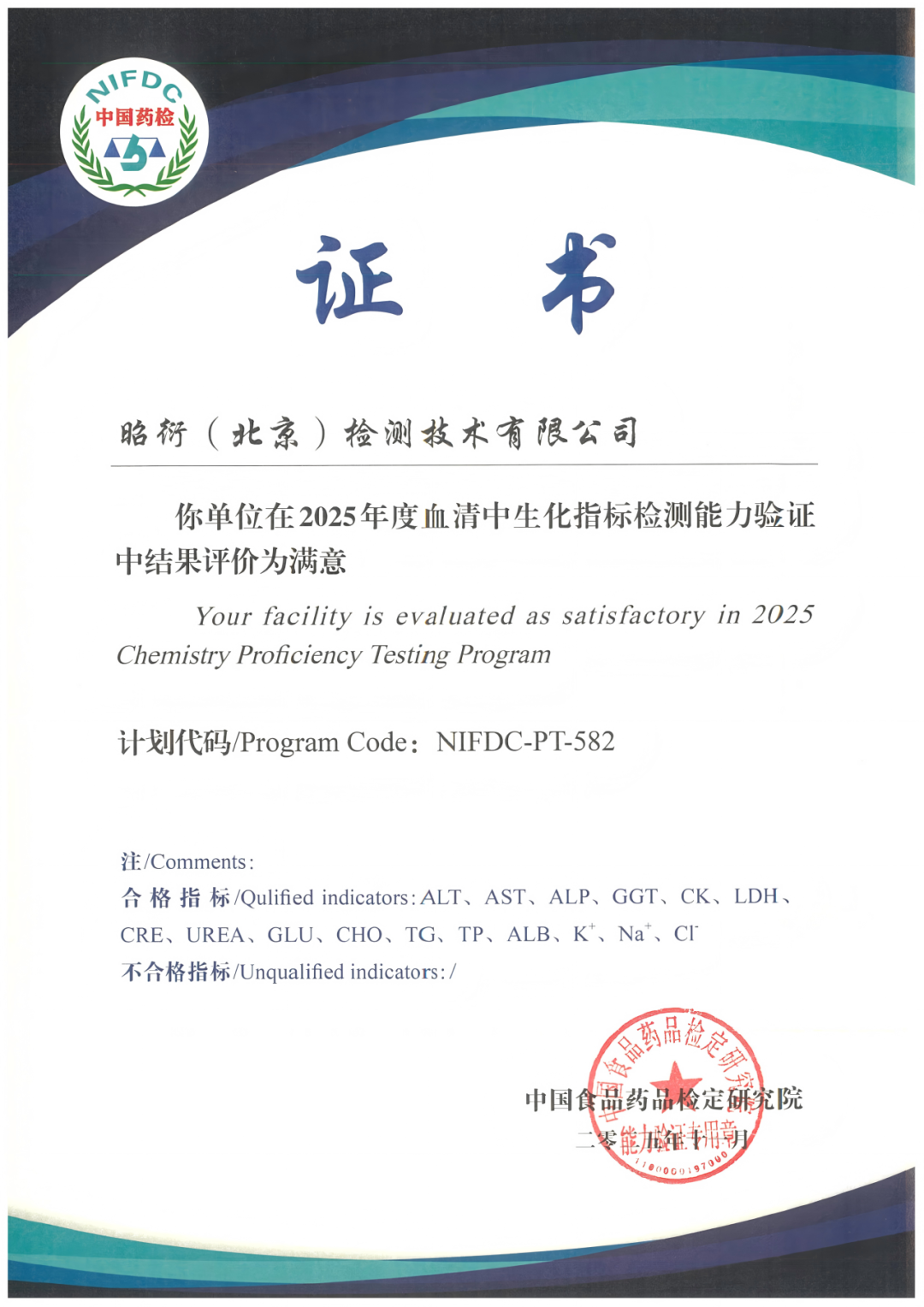
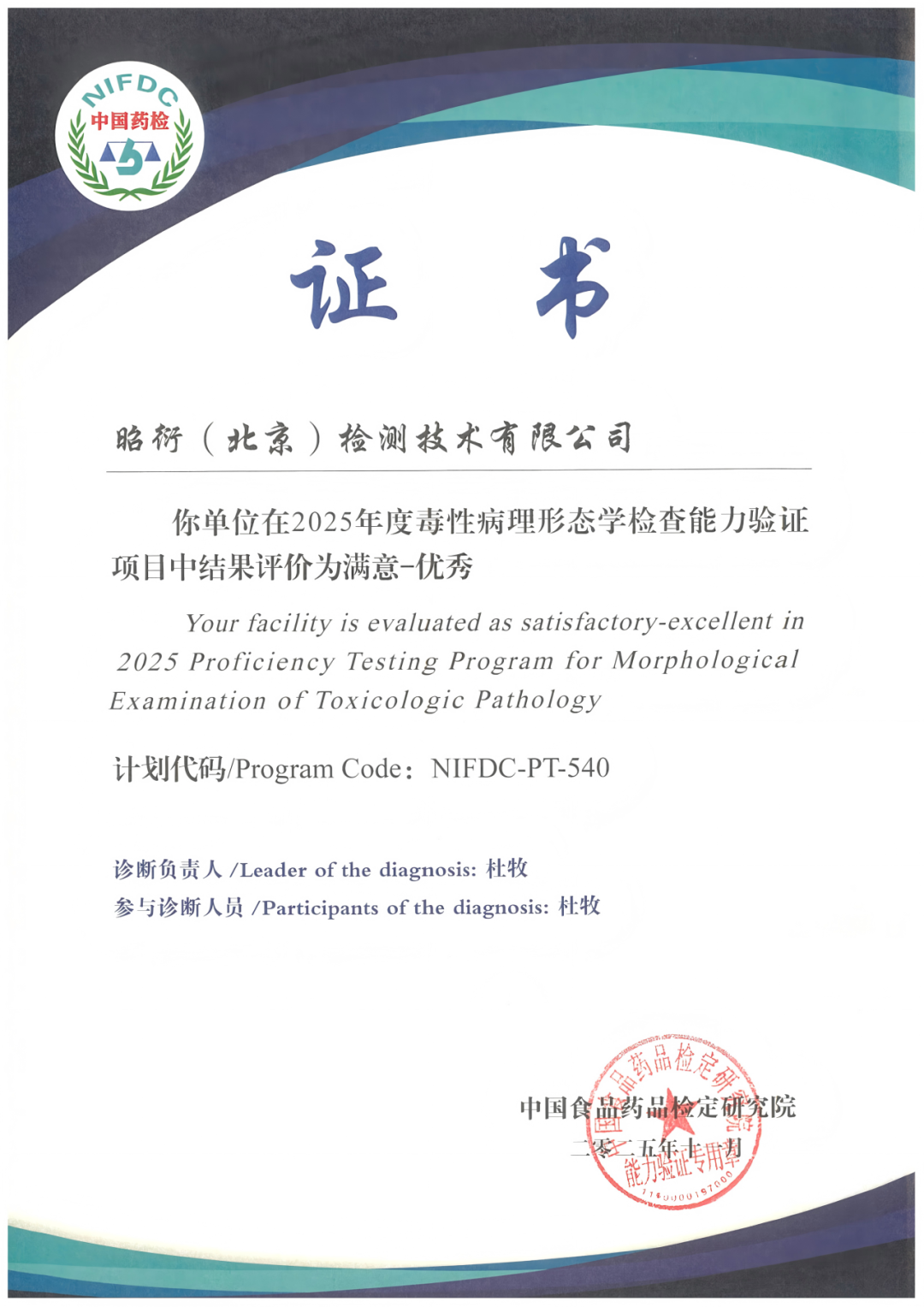
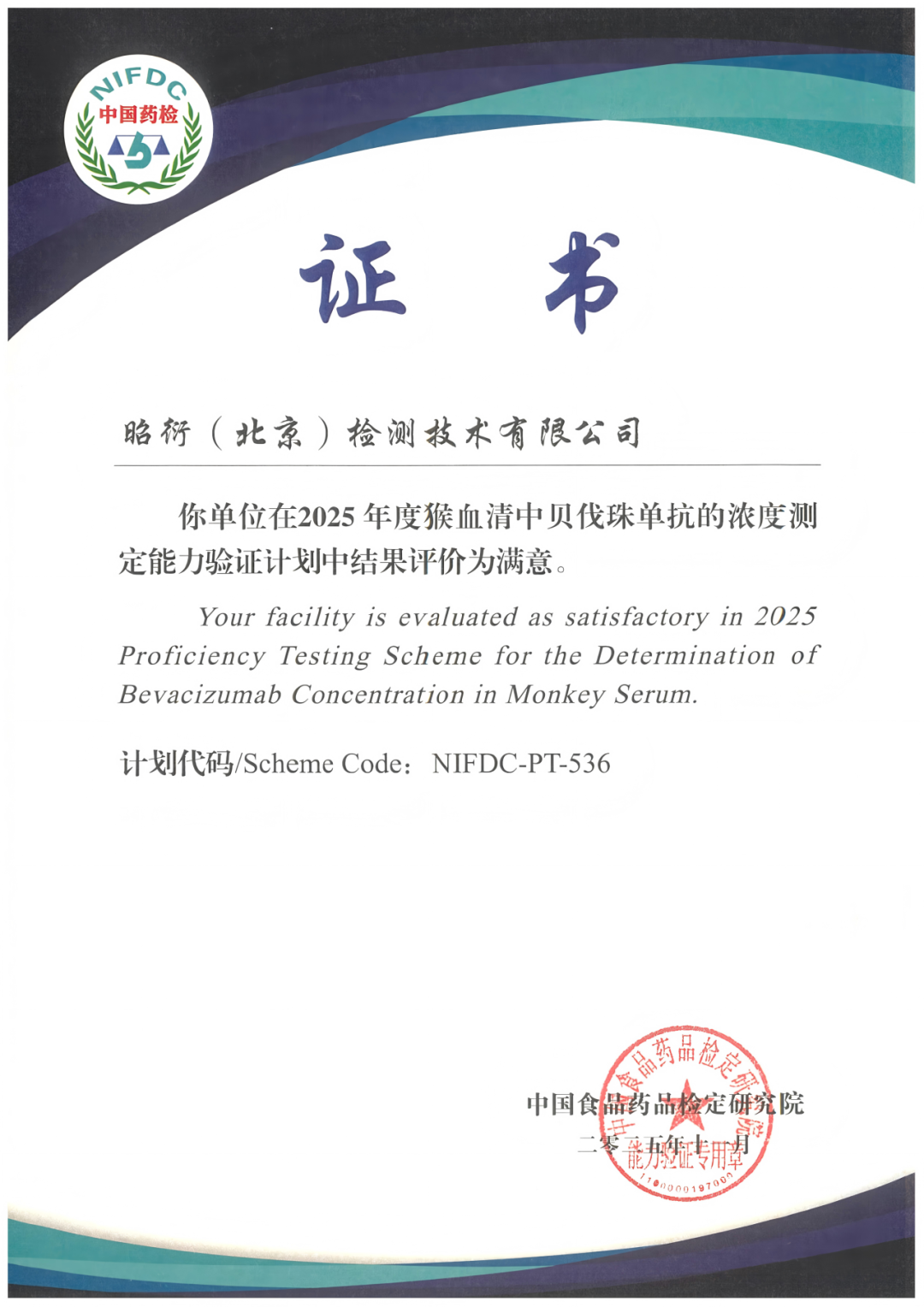
The authoritative industry proficiency testing results have been publicly announced recently. JOINN Medical Testing Laboratories (Beijing) Co., Ltd. (referred to as JOINN Medical Testing) has successfully passed proficiency testing organized by the National Institutes for Food and Drug Control (NIFDC) in five core testing categories: residual protein in vaccines, drug concentration in blood, biochemical indicators, coagulation indicators, and histopathology, with satisfactory/excellent results. The laboratory has obtained official certificates, and its testing capability and data reliability are accredited by this national authoritative institution.
Passed Test Items: Covering Full-Stack Testing Needs for Innovative Drug Development
This round of NIFDC proficiency testing covers key testing links in drug development. The passed items precisely match the clinical testing demands of biologic drugs, vaccines and biomarkers, fully demonstrating JOINN Medical Testing’s comprehensive technical coverage and professional service capacity.
| Testing Category | Test Items |
| Vaccines | Residual Vero cell protein content in vaccines |
| Biologic Drug Concentration | Bevacizumab concentration in monkey serum |
| Biomarkers | Coagulation indicators (PT, APTT); Biochemical indicators (ALT, AST, ALP, GGT, CK, LDH, CRE, UREA, GLU, CHO, TG, TP, ALB, K⁺, Na⁺, Cl⁻); Toxicological histopathology |
Impurities such as host cell proteins may remain during vaccine manufacturing, which may trigger adverse reactions including hypersensitivity and inflammation in humans. Accurate testing and control of residual protein levels are critical to guarantee vaccine safety and meet marketing quality specifications, and directly support the safety assessment of vaccines for clinical use. For vaccine-related testing, JOINN Medical Testing achieved satisfactory results in the proficiency test for residual Vero cell protein content in vaccines.
The blood concentration of biologic drugs serves as a core indicator for evaluating the absorption, distribution, metabolism and excretion (ADME) profile of drugs in vivo. Accurate measurement enables characterization of in vivo drug exposure, provides scientific evidence for dose optimization and dosing interval design, and supports efficacy and safety evaluation. It is an essential pillar for clinical development and post-marketing surveillance of biologic products. For drug concentration testing, satisfactory results were obtained in the proficiency test for bevacizumab concentration in monkey serum.
Biomarkers are measurable indicators reflecting physiological status, pathological changes or pharmacological effects (including biochemical parameters, coagulation markers, histopathology, etc.). They play key roles in subject screening, target engagement assessment, therapeutic response monitoring and adverse event prediction, helping improve R&D efficiency, mitigate development risks and underpin precision clinical management. For biomarker testing, satisfactory/excellent results were achieved in proficiency tests covering coagulation indicators (PT, APTT), biochemical indicators (ALT, AST, ALP, GGT, CK, LDH, CRE, UREA, GLU, CHO, TG, TP, ALB, K⁺, Na⁺, Cl⁻) and toxicological histopathology.
About Our Proficiency Testing Performance
JOINN Medical Testing operates clinical analytical laboratories in Beijing and Suzhou. We maintain a robust quality management system compliant with domestic and international GLP, GCP, GCLP and CNAS-17025 requirements. We specialize in clinical bioanalysis for macromolecules, gene and cell therapies, small-molecule drugs and biomarkers.
Since establishment, JOINN Medical Testing has undergone dozens of audits and inspections, and has delivered nearly one hundred clinical bioanalysis projects for renowned pharmaceutical companies worldwide. The portfolio includes innovative monoclonal antibodies, bispecific antibodies, oncolytic viruses, AAV-based gene therapy products, cell therapies, small-molecule BE studies and biomarker programs.